We are a global network of biologists, clinicians, patients, and industry partners dedicated to unraveling the genetic and molecular basis of chronic pain conditions, with the long-term goal of enabling precision medicine.
We welcome investigators and trainees with new cohorts, new approaches, new data modalities, and new ideas.

Chad Brummett
University of Michigan
Dr. Chad Brummett, MD, is an anesthesiologist and chronic pain physician whose research focuses on chronic postsurgical pain, opioid dependence, and other chronic pain conditions, including genetic analyses. As a Principal Investigator for the Michigan Genomics Initiative—an institutional biorepository with over 90,000 participants since 2012—his work has enabled large-scale, genetics-focused pain research. Dr. Brummett is also Co-Director of the Overdose Prevention Engagement Network (OPEN) at the University of Michigan, leading statewide efforts to improve opioid prescribing and promote safe disposal after surgery. He directs multiple NIH-funded studies exploring pain mechanisms and novel pain therapies, and also serves as Senior Associate Chair for Research in the Department of Anesthesiology.
Website

Christal Davis
Crescenz VA Medical Center; University of Pennsylvania
Christal is a Research Psychologist at the Crescenz VA Medical Center and an Instructor of Psychiatry at the University of Pennsylvania. She is interested in understanding the biological mechanisms that underlie chronic pain conditions and their overlap with related conditions, including substance use disorders.
Website
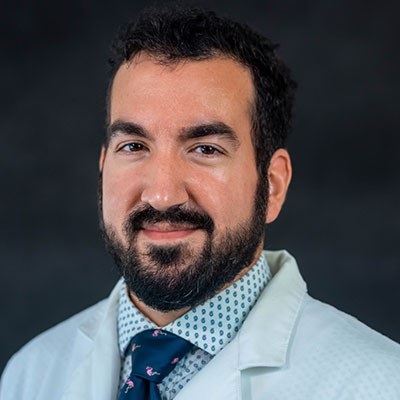
Stephan Frangakis
University of Michigan
Stephan Frangakis, MD, PhD, is an Assistant Professor of Anesthesiology at the University of Michigan and practicing anesthesiologist specializing in Regional Anesthesiology and Acute Pain Medicine. His research is focused on the genetics of postsurgical pain, chronic pain, and the acute-to-chronic pain transition.
ORCID

Lars Fritsche
University of Michigan
Lars Fritsche, PhD, is a Research Associate Professor of Anesthesiology and Biostatistics at the University of Michigan. A statistical geneticist and biostatistician, his research integrates GWAS, polygenic risk scoring, and multimodal prediction for EHR-linked biobanks to advance pain-focused translational studies and precision mental health. He specializes in EHR-based pain phenotyping and risk stratification.
ORCID · Website

Thomas Folkmann Hansen
Copenhagen University Hospital; Technical University of Denmark
Thomas is a Professor in Neurogenomics at Copenhagen University Hospital and the Technical University Hospital. His research is based on genetic and genomic analysis on neurological conditions, including creating a temporal and multiomic map of the menstrual cycle.
ORCID

Emma Johnson
Washington University School of Medicine
Emma is an Assistant Professor in Psychiatry at Washington University School of Medicine. Her research leverages large-scale genome-wide data to explore the genetic and environmental contributions to substance use disorders and comorbidities, including chronic pain.
ORCID · Website

Keira Johnston
Yale University
Dr. Keira Johnston is an associate research scientist at Yale University, where her work focuses on genetic studies of chronic pain as a complex trait.
ORCID · Website

Dora Koller
Sant Pau Research Institute
Dora is a principal investigator at the Women and Perinatal Research Group at the Sant Pau Research Institute in Barcelona and a research affiliate at Yale School of Medicine. Her research integrates genomics, multi-omics, and advanced statistical methods to understand complex conditions affecting women (including endometriosis, chronic pain, and perinatal mental health) and she aims to translate these insights into precision medicine approaches for improved risk stratification and targeted intervention. She completed her PhD in pharmacogenetics applied to clinical trials and postdoctoral training in computational genomics, and her work is driven by a commitment to bridging clinical knowledge with cutting-edge statistical and computational tools.
ORCID
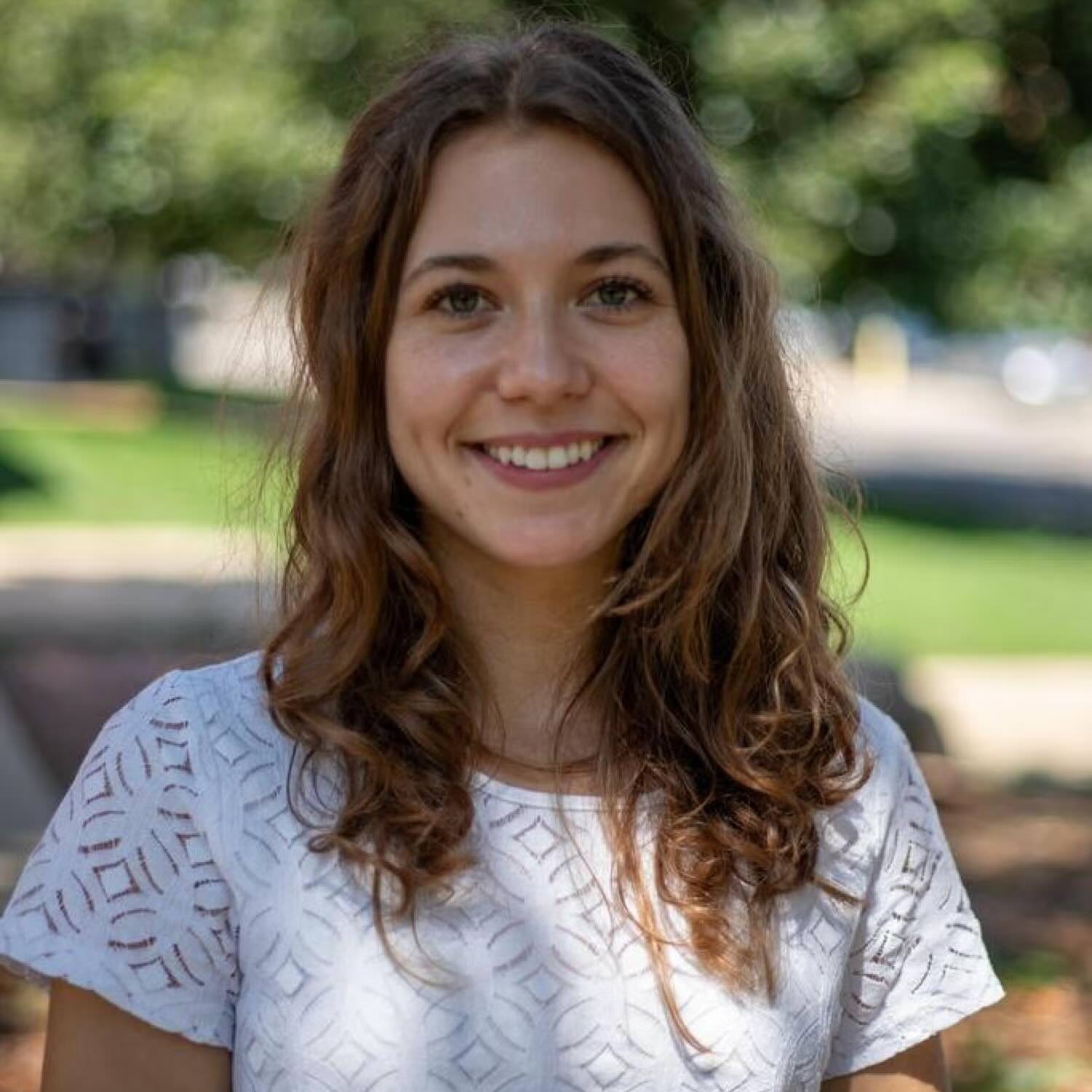
Lydia Rader
University of Colorado Boulder
Lydia is a postdoctoral researcher with a focus on the developmental etiology of chronic pain. She earned a dual PhD in in Behavioral, Psychiatric, & Statistical Genetics and Neuroscience from the University of Colorado Boulder. Her work integrates family-based designs, genomic methods, and longitudinal modeling to disentangle genetic and environmental mechanisms across adolescence and adulthood. Broadly, her research aims to identify modifiable pathways that inform prevention and intervention, with emerging interests in multi-omics.
ORCID
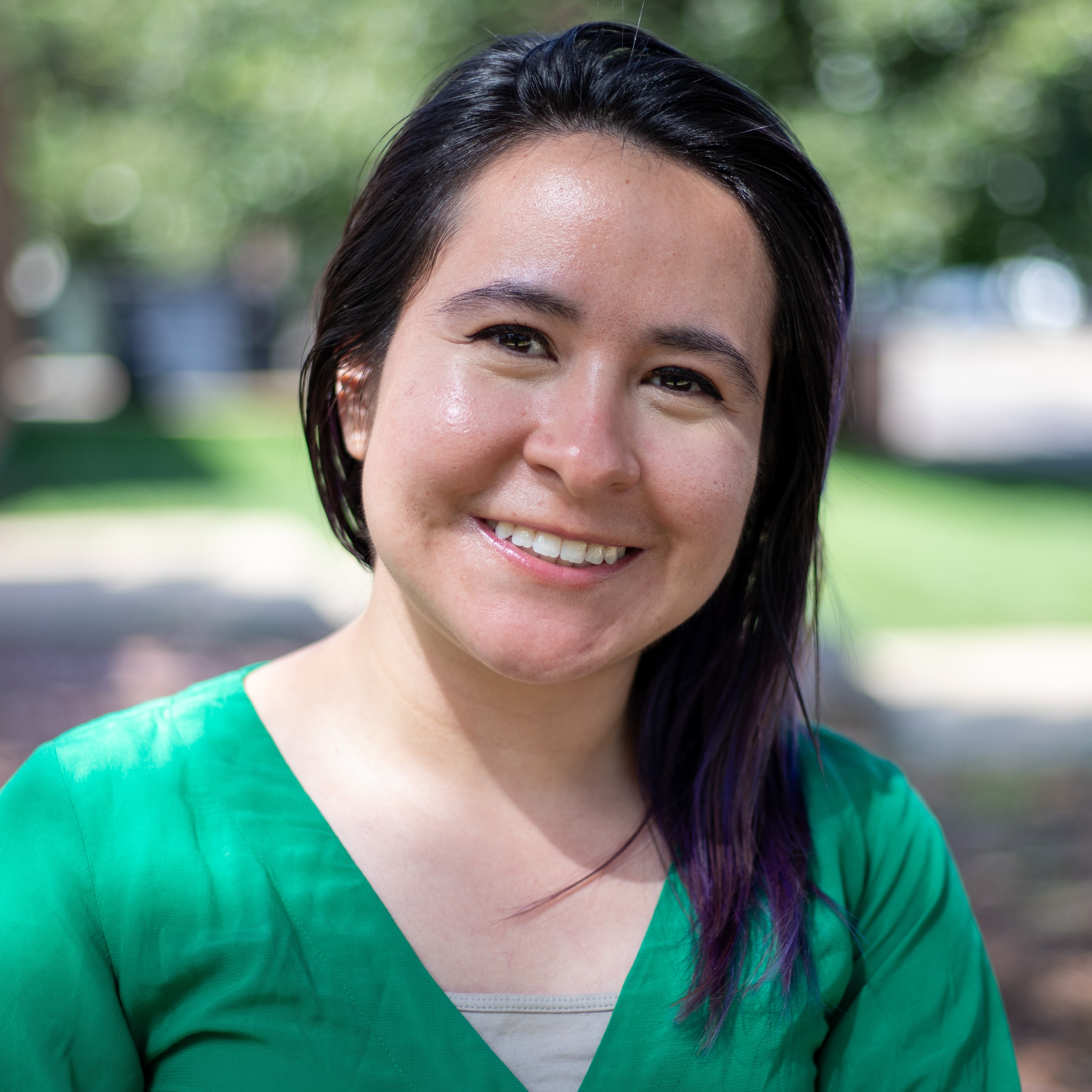
Pamela N. Romero Villela
Washington University in St. Louis
Pamela is a statistical geneticist focused on chronic physical (e.g., chronic pain) and psychiatric (e.g., anxiety) disease. She is particularly interested in chronic disease comorbidities such as the co-occurrence of chronic pain and substance use disorders. She is currently a postdoctoral scholar at Washington University in St. Louis School of Medicine in the Department of Psychiatry.
ORCID

Andrew Schrepf
University of Michigan
Dr. Schrepf is an Assistant Professor of Anesthesiology in the University of Michigan Chronic Pain and Fatigue Research Center (CPFRC) and an Assistant Professor of Obstetrics & Gynecology at Michigan Medicine. His work focuses on the way the immune system influences the central nervous system in chronic pain, using dynamic blood-based markers of immune activity in conjunction with MRI, with a particular focus on chronic pelvic pain.
ORCID

Nasa Sinnott-Armstrong (they/them)
Fred Hutchinson Cancer Center
Nasa received a PhD in Genetics and MS in Environmental Global Health from Stanford University, and primarily use statistical, artistic, and experimental tools to understand gene-environment interactions. They are currently an Assistant Professor at Fred Hutchinson Cancer Center and University of Washington in Seattle.
ORCID · Website

Michael Wainberg
Lunenfeld-Tanenbaum Research Institute; University of Toronto
Michael is a principal investigator at the Lunenfeld-Tanenbaum Research Institute and assistant professor at the University of Toronto. He co-founded the Chronic Pain Genomics Consortium out of a conviction that large biobank studies could help address the unmet needs of chronic pain patients, both by finding specific genetic risk factors that could lead to therapeutics and by identifying broader biological mechanisms through which chronic pain develops and persists. This dual approach aims to transform treatment, diagnosis and prevention of these often debilitating conditions.
ORCID · Website
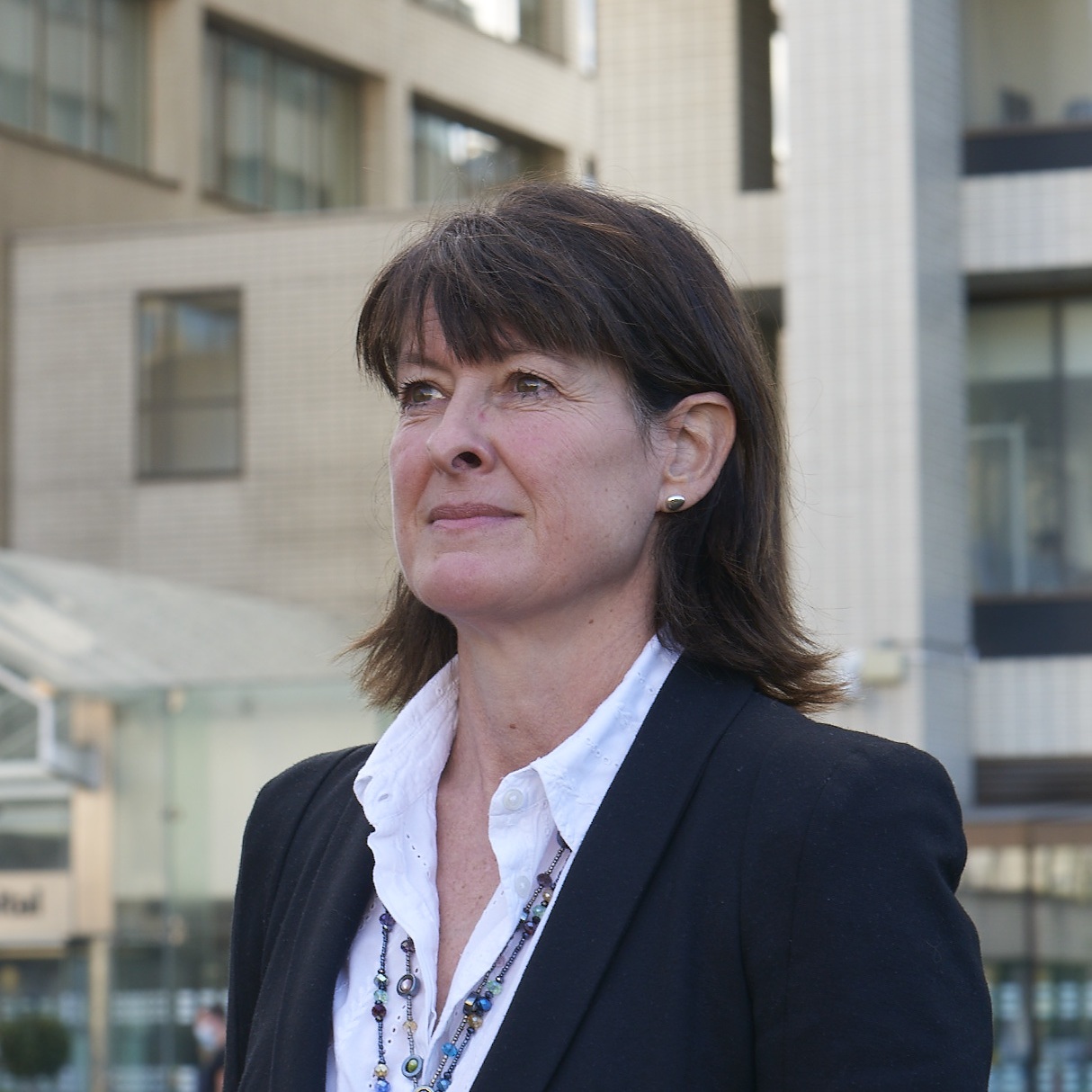
Frances MK Williams
Guy’s and St Thomas’ NHS Foundation Trust; King's College London
Appointed as Wellcome Trust fellow in the Dept of Twin Research in 2007, Frances has been researching genomics and ‘omics of chronic pain including low back pain, intervertebral disc degeneration and chronic widespread pain, for two decades. Research funding includes Versus Arthritis, the Wellcome Trust and the EU as well as industry. Frances leads a number of national and international research projects relating to chronic pain and its causes such as intervertebral disc degeneration of the spine and is expert in twin studies as well as the use of large international omic datasets. In addition she has sat on a number of trial steering committees including most recently the FORENSIC trial of lumbar fusion surgery.
ORCID · Website

